What Would Make the Google AI Comeback Show Up in Alphabet’s Numbers?

Google AI comeback: a practical framework for judging whether Gemini 4 Argon shifts Alphabet's competitive position, revenue mix, and the valuation case.

Microsoft Concentration Risk: How Big Has One Winner Grown in Your Portfolio?
Microsoft concentration risk grows quietly after a historic rally: how position sizing, rebalancing bands, and drift math decide what your portfolio owns.
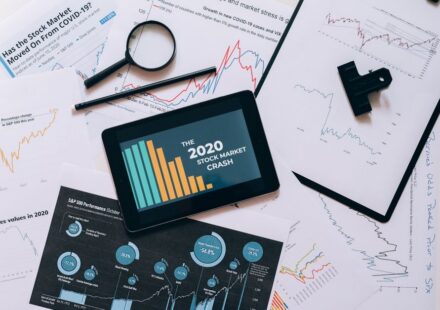
45% of S&P 500 Stocks Now Carry a Negative Beta. Here Is the Index Math.
S&P 500 negative beta readings now cover about 45% of index members. Here is how cap weighting and low correlation let the index rise as many stocks fall.
Micron’s Earnings Day and the Portfolio Concentration Risk You Didn’t Choose
Portfolio concentration risk now runs through AI earnings growth, not just index weights. Micron's rising profit influence shows why diversified funds overlap.
Should You Buy a Home If Mortgage Rates Reach 8%?
8% mortgage rates change the buying math more than most buyers expect: here is the payment arithmetic, the rate-lock mechanics, and when waiting actually pays.

What a Market-Warning Headline Asks You to Do With Your S&P 500 Index Fund
S&P 500 index fund investors face warning headlines again in 2026. Here is the mechanism behind a sell decision, what it costs, and when caution is justified.

China Financial-Sector Capital Boost Faces an Earnings Test
China financial-sector capital boost: China’s planned 360 billion yuan, or approximately $53.6 billion, injection into three state-owned banks and five insurers

When ETF Portfolio Rotation Earns Its Keep
ETF portfolio rotation should be driven by drift, taxes, fees, and concentration risk, not headlines. A practical framework for disciplined investors.
Nvidia Hugging Face Deal: The Platform Lesson Inside a $13 Billion Headline
Nvidia Hugging Face deal: The Nvidia Hugging Face deal , reported by MarketWatch as a $13 billion acquisition, is not just another large AI headline. If the rep

Index Funds at 50: The Quiet Case for Average Returns
Index funds turn 50 with a plain lesson that still irritates a performance-obsessed industry: for most everyday investors, the boring promise of low-cost market